

How to Choose the Right Paper for Packaging Box Printing in Malaysia
1. Why Choosing the Right Paper Matters
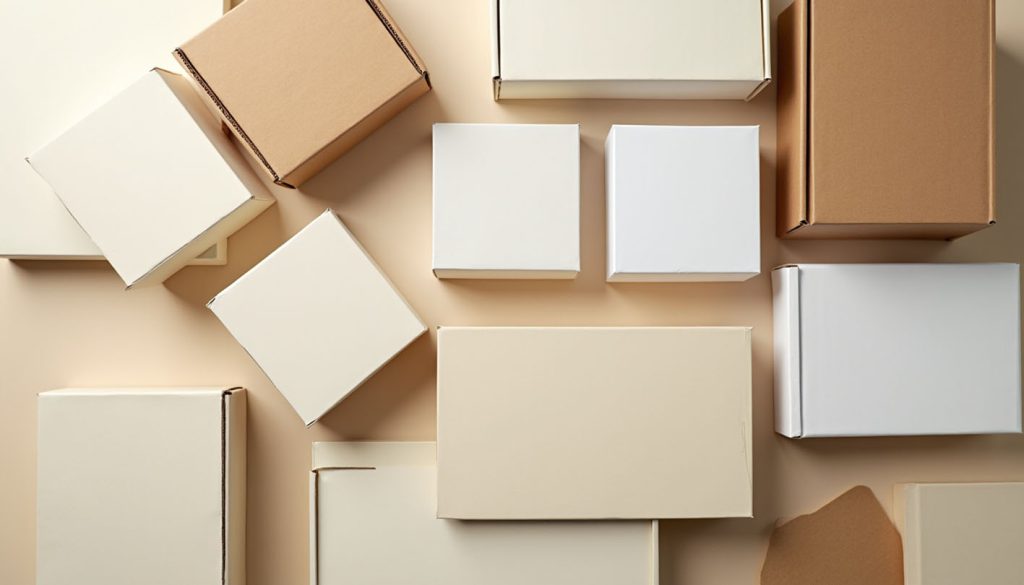
When customers pick up a packaging box, one of the first things they notice is the material used to make it.
If the box feels flimsy and bends easily, customers may think the product inside is of low quality. This can create a poor first impression and damage the brand image.
On the other hand, a well-made packaging box that feels sturdy and looks good can give customers more confidence in the product they are buying.
The main purpose of packaging is also to protect the product inside. The box must be strong enough to hold the product and protect it during storage, handling and transportation.
If the product arrives damaged because the packaging is not suitable, customers may lose confidence in the brand and hesitate to buy the same product again.
That is why choosing the right paper or paperboard for packaging box printing is important. The material must suit the product, provide adequate protection and create the right impression for your brand.
2. Understand the Different Types of Paper and Board
Different types of paperboard are available for packaging box printing. Each has its own characteristics, advantages and suitable applications.
Here are some commonly used materials for folding cartons and other paper-based packaging.
Art Card
Art card has a coated surface that produces sharp images, vibrant colours and fine printing details. It is suitable for packaging that requires attractive graphics and a smooth finish.
It is commonly used for cosmetics, skincare products, promotional items and other retail packaging.
Ivory Board
Ivory board has a white surface and a good balance of stiffness and printability. It is a popular choice for retail packaging that requires a clean appearance and a sturdy structure.
It can be used for cosmetics, skincare products, pharmaceutical packaging and various consumer products. However, food packaging must use a material and construction suitable for the intended food contact requirements.
F-Flute Corrugated Board
F-flute corrugated board has a fine fluted structure that provides additional rigidity while maintaining a relatively slim profile. Its surface can also support good-quality printing.
It is suitable for certain retail boxes, e-commerce packaging, product mailers and packaging that requires additional structural strength.
Other Suitable Paperboards
Other options include Kraft paperboard, duplex board and greyboard.
Kraft paperboard is known for its natural brown appearance and is suitable for brands that prefer a simple, natural-looking packaging style.
Duplex board generally has a white printable surface and a grey reverse side. It can be a practical option for packaging projects where cost is an important consideration.
Greyboard is a dense, rigid board commonly used as the core material for rigid gift boxes and premium presentation boxes. It is often covered with printed paper to achieve the desired appearance.
With more than 30 years of printing experience, Uniquelink Dot Print Sdn Bhd can help customers select suitable materials for their packaging projects. We can also advise on material compatibility with different print finishing techniques, such as lamination, Spot UV, foil stamping, embossing and debossing.
3. What GSM Should You Choose for Packaging Boxes?
GSM stands for grams per square metre. It measures the weight of paper or paperboard per unit of area and is commonly used to describe paper specifications.
In general, a higher GSM means the material weighs more per square metre. However, it does not always mean the material is proportionately thicker or stronger. Different materials can have different stiffness and thickness even at the same GSM.
For packaging boxes, the appropriate GSM depends on the type of board, box design, product weight and intended use.
For example, a small box for a lightweight cosmetic product may use a different board specification from a box designed to hold a heavier product.
When selecting GSM, consider the following questions:
What product will go inside the box?
How much does the product weigh?
Does the product need additional protection?
Will the box be displayed on a retail shelf or shipped directly to customers?
Does the packaging require special print finishing?
For corrugated packaging, GSM alone is not enough to determine strength. The flute type, linerboard and overall board construction must also be considered.
Choosing the right specification helps ensure that the box performs as required without using unnecessarily heavy or expensive materials.
4. Art Card vs Ivory Board: Which Is Better?
Art card and ivory board are commonly considered for folding carton packaging. Both can produce good printing results, but their characteristics and suitability may differ depending on the actual board specification.
Art card is a good option when sharp images, vibrant colours and a smooth coated surface are important. It is suitable for many lightweight retail cartons and packaging designs with detailed graphics.
Ivory board is often chosen for packaging that requires a clean white appearance and good stiffness. It can be suitable for retail boxes that need to maintain their shape during handling and display.
Both materials can be used for attractive packaging. The better choice depends on the board grade, thickness, box construction and finishing requirements.
For example, a skincare or cosmetic box may require a material that provides a premium appearance while remaining sturdy enough for retail display. A lighter product sleeve may not require the same level of rigidity.
If you are unsure which material to use, consult your packaging printer. A suitable recommendation should take into account the product, box dimensions, desired appearance and production budget rather than the material name alone.
5. Consider the Weight and Type of Product
The weight and type of product inside the box are important when selecting packaging materials.
A lightweight cosmetic product may only require a standard folding carton. A glass bottle, however, may need a stronger box structure and suitable internal support to reduce movement and the risk of breakage.
Heavier products may require a stiffer board or a corrugated structure, depending on the box dimensions and how the packaging will be handled.
You should also consider whether the product is fragile, has sharp edges or requires protection from moisture and other environmental conditions.
Paper thickness alone does not determine how well a box protects its contents. The box structure, folding design, inserts and internal supports also play important roles.
For products that will be transported over long distances, the packaging may need to withstand stacking, handling and movement during delivery.
Selecting suitable materials and box construction helps protect the product and reduce the risk of damage.
6. How Does Paper Choice Affect Printing Quality?
The paper or board you choose can affect the final printing result.
Coated materials generally provide a smoother surface for printing. They can reproduce fine details, photographs and colour graphics clearly.
Uncoated materials have a different surface texture and may absorb ink differently. This can result in a more natural appearance, but colours and fine details may look different compared with printing on coated board.
Even when the same artwork and printing process are used, the results can vary depending on the material.
For example, a colour printed on a coated white surface may appear more vibrant than the same colour printed on a more absorbent or textured surface.
The material also affects how small text, fine lines and detailed images appear on the finished packaging.
If colour consistency and image quality are important to your brand, discuss the paper specification with your printer before production. Choosing a suitable surface helps achieve the intended appearance and reduces the risk of unexpected results.
7. How Does Paper Choice Affect Packaging Box Printing Cost?
Paper or board selection is one of the factors that affects the cost of packaging box printing.
Different materials have different prices. The GSM, board grade, box dimensions and quantity required can all affect the final quotation.
A heavier or more specialised board may cost more than a standard option. However, the most expensive material is not necessarily the best choice for every project.
Box dimensions also matter because they affect how efficiently the boxes can be arranged on the printing sheet. Better sheet utilisation can help reduce material wastage.
Order quantity is another important factor. The cost per box may vary depending on the quantity ordered and the production requirements.
Print finishing, die-cutting and other production processes can also affect the overall cost.
The best approach is to provide your packaging printer with the product details, box dimensions, required quantity and intended use. The printer can then recommend suitable materials and provide a quotation based on your requirements.
For more information, read our article on How Much Does Custom Packaging Box Printing Cost in Malaysia?
8. Should You Choose FSC®-Certified Paper?
For brands that are concerned about responsible sourcing, FSC®-certified paper is another option to consider.
The Forest Stewardship Council® (FSC®) promotes responsible forest management. FSC certification and associated chain-of-custody requirements help provide assurance that certified materials are sourced and handled according to the applicable certification standards.
Some brands, particularly those supplying international markets, specify FSC®-certified paper for their packaging as part of their sustainability commitments or purchasing requirements.
If your company exports products or supplies multinational brands, check whether FSC® certification is required by your customers.
However, FSC® certification does not automatically mean that the paper is stronger, thicker or more suitable for every packaging application. The material must still meet the product’s printing and protection requirements.
As an FSC®-certified printer, Uniquelink Dot Print Sdn Bhd can assist customers with FSC®-related printing requirements. If certification is important for your packaging project, let us know when requesting a quotation so that the appropriate material and certification requirements can be discussed.

9. How Do Lamination and Print Finishing Affect Your Choice?
If you want your packaging box to have a premium appearance, you may consider additional print finishing.
However, the selected material must be suitable for the finishing processes you intend to use.
Gloss or Matte Lamination
Lamination adds a protective film to the printed surface. Gloss lamination creates a shiny appearance, while matte lamination provides a softer, less reflective finish.
The board surface and lamination specifications should be suitable for the intended application.
Spot UV
Spot UV applies a glossy coating to selected areas of the design. It can highlight a logo, product name or other important graphic elements.
Foil Stamping
Foil stamping adds a metallic or other decorative foil effect to selected areas. Gold and silver foil are popular choices for premium packaging.
3D Spot UV creates raised textures that customers can see and feel, adding depth and a tactile effect to the design.
Embossing and Debossing
Embossing raises selected areas of the board, while debossing presses them into the surface. Both techniques can add texture and visual interest.
The suitability of these finishing processes depends on the board, surface coating, design and production requirements. Discuss your preferred finishing with your printer before finalising the material.
Planning these details early helps ensure that the material, printing and finishing work together to achieve the desired result.
10. How to Choose the Right Paper for Your Packaging Project
Before deciding on a paper or board specification, consider the following points.
1. What product will go inside the box?
Identify the product and any special packaging requirements. Food, pharmaceutical, cosmetic and electronic products may have different material and performance needs.
2. How heavy or fragile is the product?
A lightweight product may need a different material from a heavy or fragile item. Consider the level of protection required during storage and transportation.
3. What size and structure do you need?
The dimensions and construction of the box affect its strength and material usage. Inserts and internal supports may also be necessary.
4. What printing and finishing do you want?
Consider whether your design requires full-colour printing, lamination, Spot UV, 3D Spot UV, foil stamping, embossing or debossing.
5. What is your budget?
Choose a material that meets your requirements without adding unnecessary cost. The objective is to achieve the right balance between protection, appearance and production cost.
6. Do you require FSC®-certified paper?
If your company has sustainability requirements or your customer specifies FSC® certification, inform your printer before production.
By considering these factors, you can make a more informed decision about the material for your packaging box.
An experienced packaging printer can also help you compare suitable options and explain the differences in cost, appearance and performance.
11. Conclusion: Choose Paper That Suits Your Product and Budget
Choosing the right paper or board is an important part of packaging box printing. The material affects the appearance, printing quality, strength and overall cost of the finished box.
However, the best material is not necessarily the thickest or most expensive. It is the one that meets your product’s protection requirements, creates the right impression for your brand and fits your budget.
At Uniquelink Dot Print Sdn Bhd, we have more than 30 years of printing experience and specialise in packaging box printing in Malaysia. We can help you consider suitable materials, printing methods and finishing options for your packaging project.
Contact Uniquelink to discuss your packaging requirements and request a quotation. We will help you find a suitable solution for your product and budget.