

How Long Does Custom Packaging Box Printing Take in Malaysia?
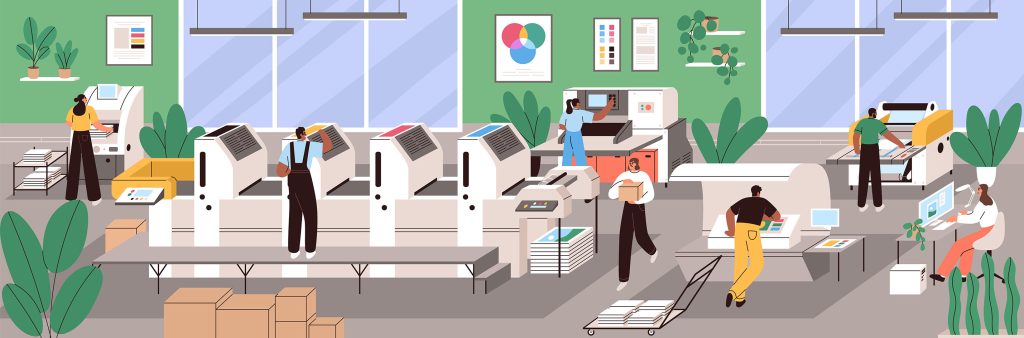
A client calls and says they have a custom packaging box to print.
They give us a brief idea of what they want. Then comes the important part:
“We need the packaging boxes next week.”
The artwork has not been submitted. No artwork checking has been done. No colour separation. No colour proof. No printing schedule.
In fact, we have nothing yet — except a deadline.
This scenario is very common in Malaysia. Almost everyone who has worked in the printing industry has experienced it before. And every printer probably has their own story to tell.
So, how long does custom packaging box printing in Malaysia actually take?
The answer depends on several factors, including the box size, quantity, material, printing method, finishing, die-cutting and, most importantly, how quickly the artwork can be approved.
1. How Long Does It Usually Take to Print Custom Packaging Boxes?
Before a printer can give you a production timeline, we need to understand what kind of packaging box you are producing.
A simple folding carton with standard printing and no complicated finishing will usually take much less time than a large, complicated box with special materials and multiple finishing processes.
For example, a straightforward custom packaging box may take around 10 to 15 working days for production once the artwork, specifications and materials have been fully approved.
A more complicated packaging project can take considerably longer.
A rigid smartphone-style box with sharp V-cut edges, special materials and custom moulded pulp inserts may take 6 to 10 weeks from initial design approval to final delivery.
This is why it is difficult for a packaging printer to simply say, “Yes, we can finish it next week” without seeing the artwork and understanding the project.
There are many production stages between receiving the artwork and delivering the finished packaging boxes.
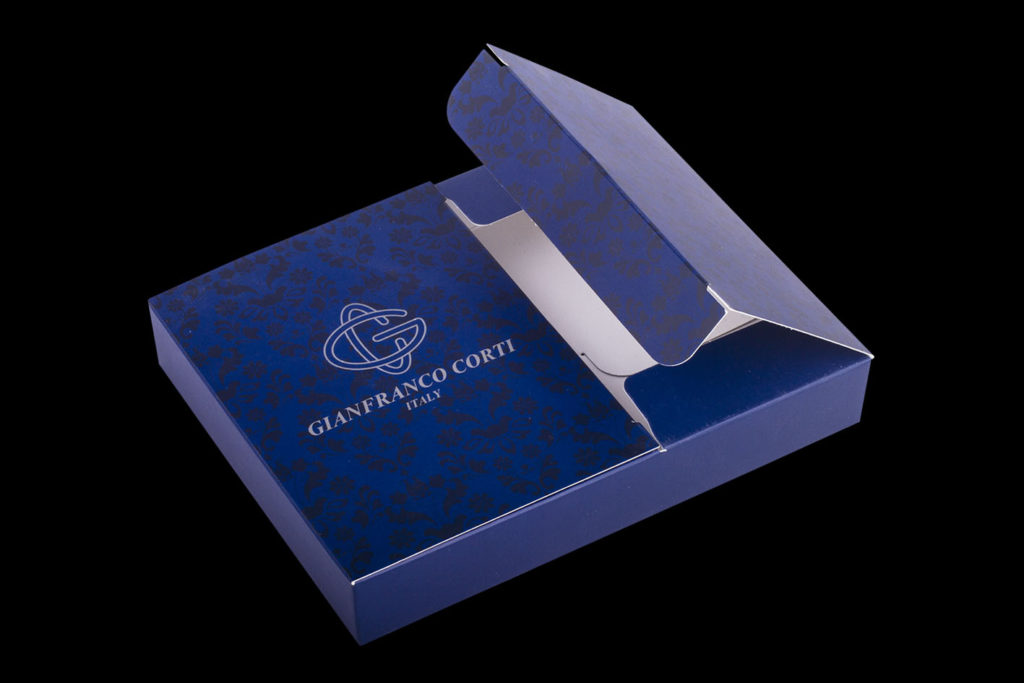
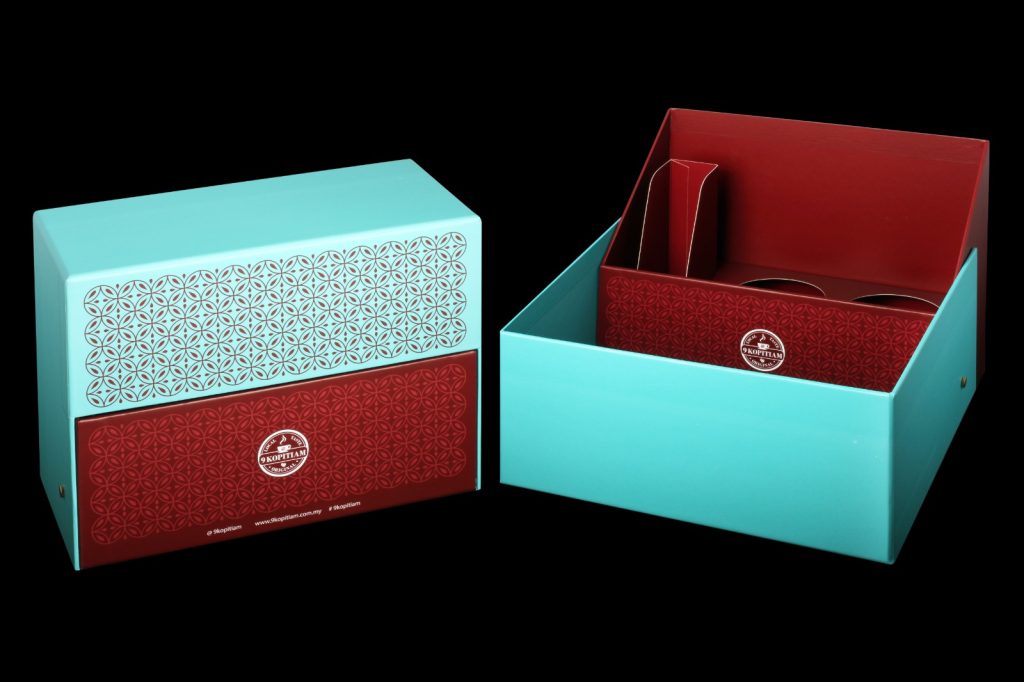
2. What Are the Main Stages of Custom Packaging Box Printing?
Once we receive the finished artwork from the client, the job is assigned a production number and the production schedule is planned.
A typical custom packaging box printing process may include:
Artwork checking – Checking the finished artwork to make sure it is suitable for printing.
Colour proofing or mock-up – Producing a digital proof or physical mock-up for the client to check.
Material preparation – Ordering and preparing the required paper, board or other materials.
Prepress and colour separation – Preparing the artwork and producing digital printing plates for offset printing.
Printing – Checking the printing plates and proceeding with the actual printing.
Print finishing – Carrying out processes such as lamination, Spot UV or hot foil stamping.
Die-cutting – Cutting and creasing the printed sheets according to the packaging structure.
Folding and gluing – Converting the printed and die-cut sheets into finished packaging boxes.
Quality checking – Checking the finished boxes for colour, print quality, finishing and overall workmanship.
Packing and delivery – Packing the finished boxes and arranging delivery to the client.
Every stage needs to be planned properly.
A good production schedule also needs some flexibility. Machines can break down, ink may require additional drying time, materials may arrive late, or a finishing process may take longer than expected.
When this happens, the production schedule needs to be adjusted.
Whether we are printing a leaflet, brochure or custom packaging box, good production planning is one of the most important factors in keeping a printing project on schedule.
3. Artwork Preparation and Prepress
Finished artwork, or FA, is one of the most important parts of the printing process.
At Uniquelink, our designers have many years of experience checking artwork and preparing files for printing.
When a client submits finished artwork, we check important details such as:
CMYK colour mode
Image resolution
Bleed
Registration
Fonts
Overprinting
Die-cutting lines
Print finishing areas
One common mistake we see, especially from designers who have less printing experience, is the use of CMYK black instead of 100% K black where solid black is required.
This mistake may not be obvious when looking at the artwork on screen.
A digital proof may also not show the problem clearly.
The better way to check is to look at the colour separation in applications such as Adobe Illustrator or InDesign and make sure the black elements are separated correctly.
If this is not checked before printing, the black may not look as sharp as expected. In some cases, the problem may only become obvious after the job has been printed.
That can result in additional cost and, in serious cases, reprinting.
After the artwork has been checked, the file can proceed to prepress for final preparation and plate production.
This is why artwork checking should never be treated as a small or unimportant step.
4. How Long Does Artwork Approval Take?
This is one part of the packaging project that a printer cannot completely control.
The printer can check whether the artwork is technically suitable for printing, but the creative design and final approval normally come from the client and designer.
Based on my experience working in an advertising agency, developing a custom packaging concept and final artwork can easily take 2 to 4 weeks, especially when there are several rounds of changes and approvals.
Sometimes the printer receives the artwork only after the design has already gone through several revisions.
My advice to printers is simple:
Let the designer do their job.
Designers can be very particular about their work, and rightly so. The printer’s job is to provide technical advice, point out potential printing problems and help make sure the final packaging can be produced properly.
The best results usually happen when the designer and printer work together instead of working against each other.
5. Printing Time: Digital vs Offset Printing
Today, digital printing has made it possible to produce custom packaging boxes in smaller quantities.
For short runs, digital printing can be a practical solution because there is less setup involved and there is no need to produce conventional printing plates.
The disadvantage is that the unit cost is normally higher for smaller quantities.
For larger quantities, offset printing can be more economical because the setup cost is spread across a larger number of boxes.
There is no fixed quantity where offset suddenly becomes better than digital. It depends on the box size, artwork, material, colour requirements, quantity and finishing.
From an art director’s point of view, I still prefer the look and colour characteristics of offset printing for many packaging applications.
However, modern digital printing has improved significantly and can produce very good results, particularly for short-run packaging and projects where fast turnaround is important.
6. How Long Does Die-Cutting Take?
Die-cutting is an important stage in custom packaging box printing.
Instead of using a normal straight cutting machine, a specially made metal die is used to cut and crease the printed sheet according to the packaging design.
Think of it as a metal cookie cutter for paper.
The die can create curves, special shapes, cut-outs and folding creases required to turn a flat printed sheet into a packaging box.
The time required for die-cutting depends on the box structure, material, quantity and production schedule.
For some packaging projects, die-cutting can take several working days, while more complicated jobs may require longer.
A new cutting die may also need to be produced before production can begin. Therefore, die-cutting should always be included when planning the overall production schedule.
7. How Does Print Finishing Affect Production Time?
Packaging today is highly competitive.
Companies want their packaging to attract attention on the shelf and create a better impression when customers pick up the product.
This is why many brands use print finishing such as:
Lamination
Spot UV
Hot foil stamping
Embossing
Debossing
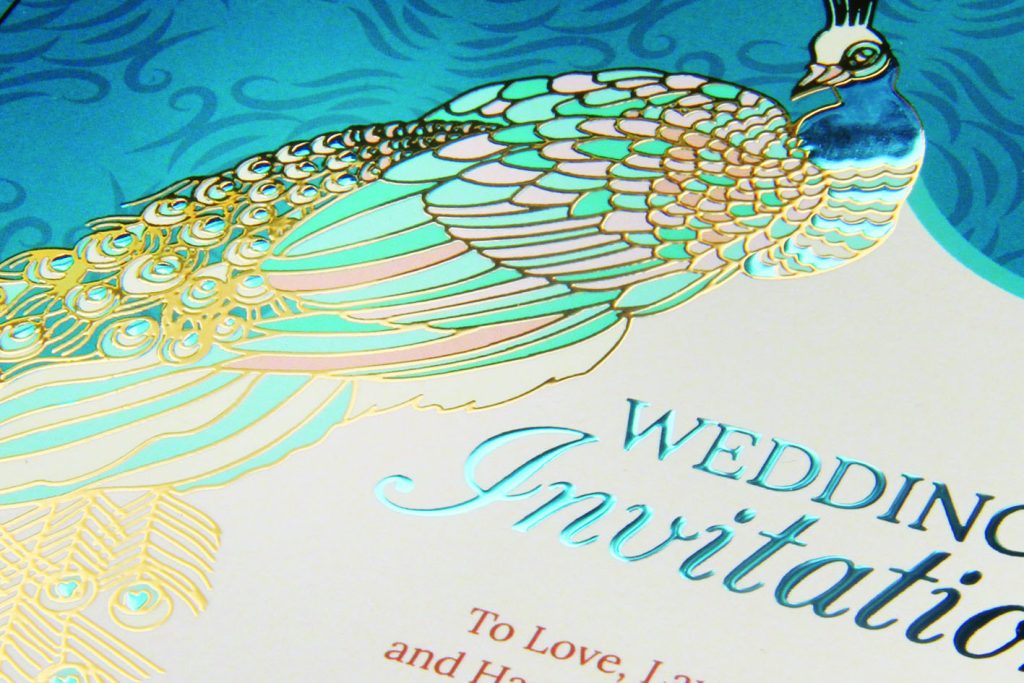
Print finishing can make a significant difference to the appearance and tactile feel of a custom packaging box.
Beauty and skincare products, watches, jewellery and premium products often use finishing techniques to create a more luxurious appearance.
However, every additional finishing process adds another production stage.
Depending on the technique, quantity and production schedule, finishing can add several working days to the overall production time.
At Uniquelink, we also provide 3D Spot UV and hot foil stamping, which can create raised and tactile effects that make selected areas of the packaging stand out.
For complicated packaging, it is important to allow sufficient time for finishing instead of treating it as an afterthought.

8. How Does Quantity Affect Production Time?
Quantity also affects the production schedule.
A small quantity may require less machine running time, but the setup and finishing processes still need to be completed.
For larger quantities, the printing and finishing machines need to run for longer periods. Additional time may also be required for:
Printing
Drying and curing
Cutting
Folding and gluing
Quality checking
Packing
Quality control is particularly important for large production runs.
The printer needs to check the colour, registration and finishing during production to make sure the quality remains consistent from the first box to the last.
This is why producing 1,000 boxes does not simply mean taking the time required for 100 boxes and multiplying it by ten.
The production process works differently at different quantities.
9. What Can Cause Delays in Packaging Box Printing?
Over the years, we have encountered many situations that can delay a packaging project.
Some of the most common include:
Artwork problems.
Spelling mistakes, missing bleed, incorrect colours, low-resolution images or incorrect dielines can delay production.
Late artwork approval.
The printer cannot proceed if the client has not approved the final artwork.
Material availability.
Special paper, board or other materials may require additional time to source.
Complicated finishing.
Multiple finishing processes can add more production stages.
Machine breakdowns.
Unexpected machine problems can affect the production schedule.
Changes after approval.
If the client changes the artwork after printing has started, the job may need to be stopped or repeated.
One of the best ways to avoid these problems is to produce an actual packaging mock-up before going into mass production.
With an actual mock-up, the client can check the size, structure, artwork and overall appearance before the printer produces the full quantity.
If the packaging requires finishing such as Spot UV or hot foil stamping, Uniquelink can also use our latest 3D Spot UV and hot stamping technology to demonstrate the finishing effect on the packaging mock-up.
Nothing beats “what you see is what you get.”
It is much better to discover a problem on one mock-up than to discover it after thousands of packaging boxes have been printed.
10. How Can You Make Your Packaging Project Move Faster?
With more than 30 years of experience in the printing industry, we have seen many packaging projects go smoothly — and we have also seen projects delayed because the preparation was not done properly.
If you want your custom packaging box printing in Malaysia to move faster, here are some simple suggestions.
1. Work with an experienced packaging designer and printer.
Experience matters. A designer may understand branding and creative design, while an experienced packaging printer understands what is practical to produce.
2. Make sure the finished artwork is correct.
Check the spelling, colours, images, dieline, bleed and finishing areas before submitting the artwork.
3. Approve the actual mock-up before mass production.
This gives everyone a final opportunity to identify problems before printing thousands of boxes.
4. Treat the printer as a partner.
Do not wait until there is a problem before asking for advice. Involve the printer early.
5. Let the designer and printer share their knowledge.
If the printer sees a potential problem, explain it professionally and work together to find a solution.
We believe that working closely with the client and designer makes the entire packaging printing process faster, smoother and less stressful.
11. How Early Should You Contact a Packaging Box Printer?
My advice is simple:
Contact your packaging printer as early as possible.
A designer can create a beautiful 2D packaging design, but it is not always possible to know from a computer screen whether the packaging will be practical in real life.
One of the design companies we work with regularly sends us their packaging concept before proceeding with mass production.
Our structural packaging designer can then develop a sample mock-up.
With the actual mock-up, the designer can see how the packaging looks and feels in real life.
They can check the size, structure, opening mechanism and overall appearance. They can even use the physical mock-up for marketing research and obtain feedback from potential consumers.
This can result in further improvements before the packaging goes into production.
At Uniquelink, we are happy to work with designers and companies that want to develop sample packaging before committing to mass production.
12. Every Packaging Project Has a Different Turnaround Time
There is no single answer to the question, “How long does custom packaging box printing take in Malaysia?”
The actual turnaround time depends on:
Box size and structure
Quantity
Paper or board material
Printing method
Artwork preparation
Die-cutting
Print finishing
Client approval
Material availability
Production schedule
A simple packaging box may be completed relatively quickly.
A complicated packaging project with special materials, multiple finishing processes and structural components may take several weeks.
The important thing is to discuss the project with your printer before setting the final delivery date.
13. Need Custom Packaging Boxes in Malaysia?
Planning a new packaging project?
Don’t wait until next week to tell your printer that you need the boxes next week.
Send us your box specifications, quantity, artwork and finishing requirements as early as possible.
Our team can advise you on the suitable printing process, materials, finishing and estimated production schedule.
With more than 30 years of experience in the printing industry, including more than 20 years specialising in custom packaging box printing, Uniquelink Dot Print Sdn Bhd can help you plan your packaging project from artwork preparation and proofing to printing, finishing, die-cutting and final delivery.
The earlier you involve your printer, the smoother the project will be.